
In our fast-paced world, stress has become a constant companion. Between work, family obligations, and the overwhelming pressure of daily life, stress can feel like an unavoidable part of modern living. However, there’s a natural way to combat stress, one that doesn’t involve pills or quick fixes. This simple solution is movement for stress relief.
Exercise has long been touted as a natural remedy for physical well-being. But its impact goes much deeper than just burning calories or improving cardiovascular health. When done intentionally, movement can be a potent tool for relieving stress and creating emotional balance. It helps to shift the focus from the overwhelming stressors of daily life to the present moment, fostering mindfulness and relaxation.
The Science Behind Movement and Stress Relief
When we move our bodies, we trigger the release of endorphins — our body’s natural “feel-good” chemicals. These chemicals can reduce the sensation of pain, elevate mood, and improve overall mental clarity. It’s not just about running on a treadmill or lifting weights. Even simple movements like walking, stretching, or yoga can have a profound effect on emotional well-being.
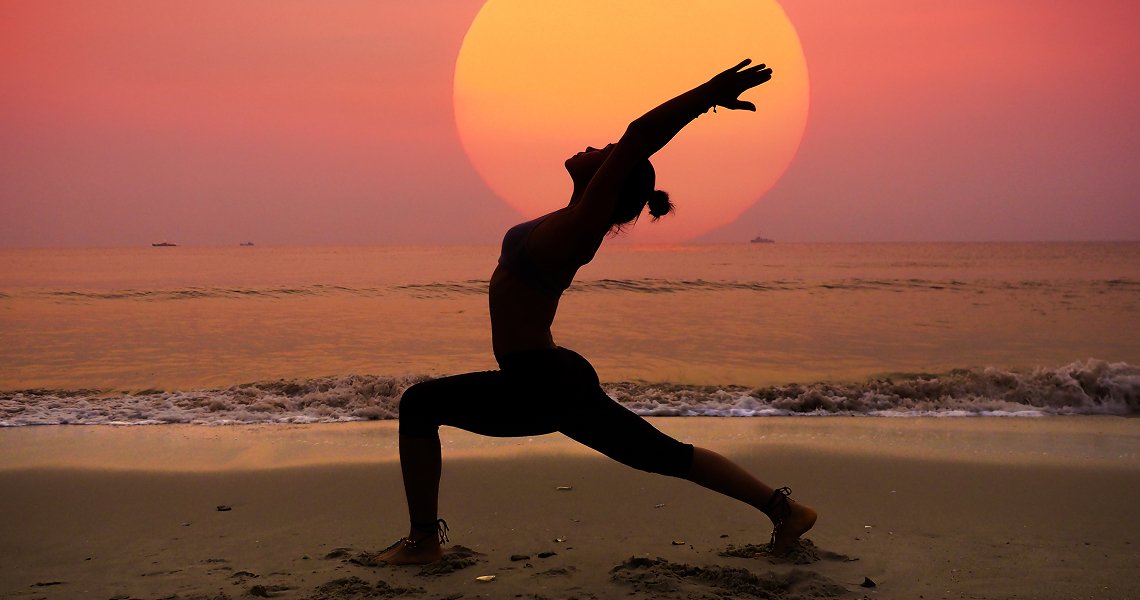
Through intentional movement, our bodies become conduits for emotional release. For example, walking in nature can calm the mind, reduce anxiety, and help with mental clarity. Yoga helps connect breath with movement, offering emotional and spiritual peace while increasing flexibility and relieving tension. Stretching exercises not only benefit the body physically but also promote mental relaxation, helping us reset after a stressful day.
Purposeful Movement for Emotional Balance
It’s essential to note that not all forms of movement yield the same benefits. The key is intentionality. Simply moving for the sake of moving can be beneficial, but engaging in purposeful movement with mindfulness is what really enhances stress relief and emotional balance. In Movement As Medicine, the idea of purpose-driven movement is central. This type of movement honors the body and mind, creating harmony rather than a mere physical exertion.
For example, walking with the intention of clearing your mind or practicing yoga to reduce tension in the body can have far more powerful effects than simply going through the motions. It becomes a healing practice, not just a fitness routine.
The Role of Movement in Overall Wellness
Movement also contributes to overall wellness. Engaging in physical activity improves circulation, reduces the risk of chronic diseases, and enhances mental health. Regular movement not only helps manage stress in the short term, but it also builds emotional resilience, helping the body cope with future stressors. For many, these benefits become even more apparent over time.
Through consistent movement, the body becomes more adaptable to stress, making it easier to handle life’s challenges with a balanced mindset. It’s important to remember that emotional balance and stress relief do not come from one single workout or a quick fix. Like all aspects of mental health, emotional balance takes regular, intentional effort.
Conclusion
Incorporating movement into your daily routine isn’t just about building strength; it’s about creating space for peace and emotional balance. By making intentional movement a priority in your life, you can foster a healthier, more balanced state of mind. Whether through yoga, stretching, walking, or more intense workouts, movement serves as a powerful tool for stress relief, emotional balance, and overall wellness. Start small and gradually increase your practice — the benefits will speak for themselves.